The Vessel
He stands between two stones, in silence carved and deep,
A figure lost in time, too frozen now to weep.
A figure lost in time, too frozen now to weep.
His face replaced — a jar, with thoughts too dark to flow,
A swirling void within, where light forgot to glow.
A swirling void within, where light forgot to glow.
No mouth to scream, no eyes to see the sky,
Just liquid memories that never learned to die.
Just liquid memories that never learned to die.
The world around him sleeps, or maybe looks away,
While he remains intact, eroded by the day.
While he remains intact, eroded by the day.
A dream? Perhaps. A ghost? A soul no one recalls.
A man who kept his weight behind transparent walls.
A man who kept his weight behind transparent walls.
No voice remains. No past. Just this: a hollow grace,
A nameless mind adrift, devoid of time and place.
A nameless mind adrift, devoid of time and place.
He does not seek, nor run — he simply is, and stays.
A vessel built of thoughts the mind itself betrays.
A vessel built of thoughts the mind itself betrays.
A Dream Half-Finished
This image does not belong to the real world.
It comes from somewhere else — a memory, a vision, a dream left half-finished.
It comes from somewhere else — a memory, a vision, a dream left half-finished.
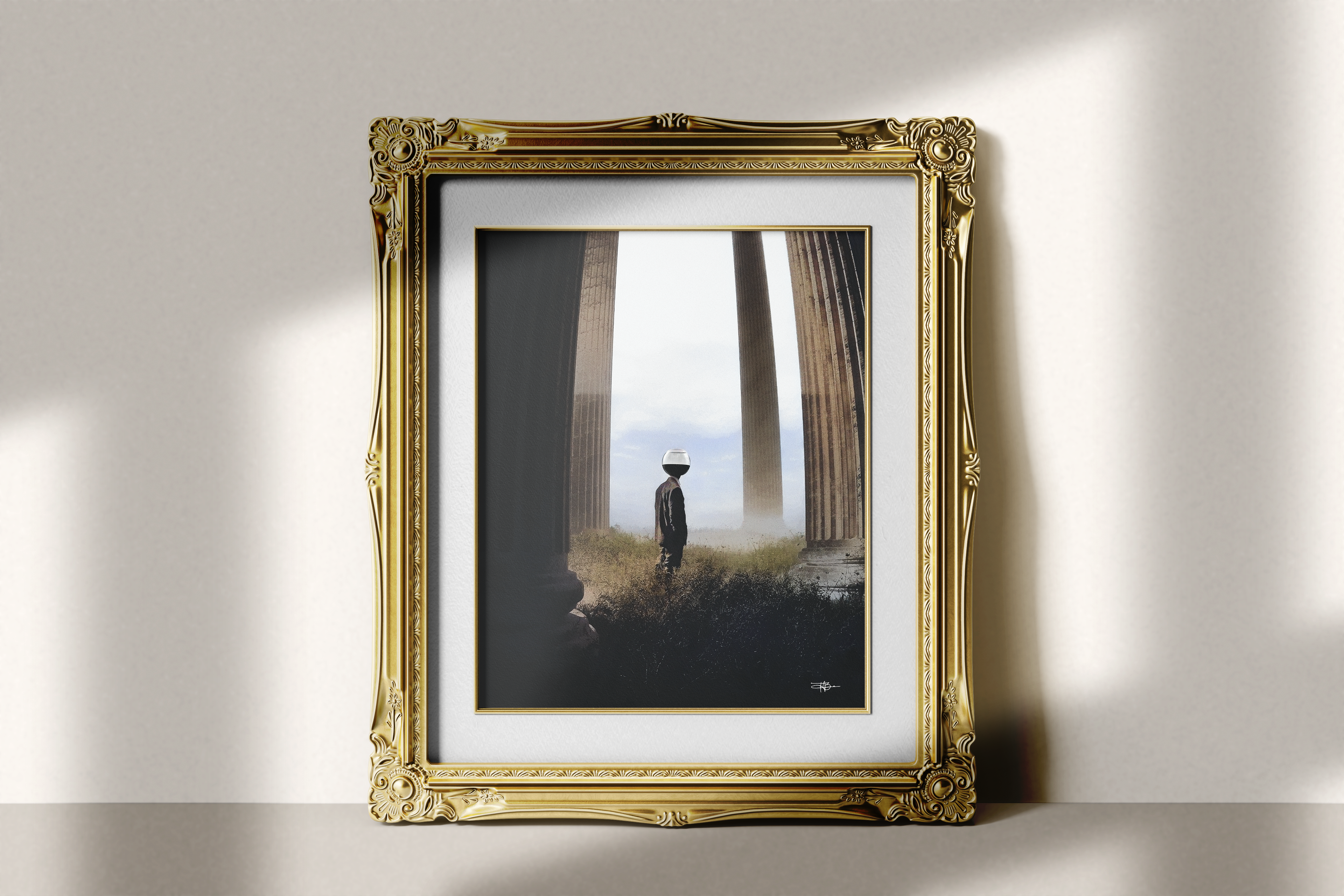
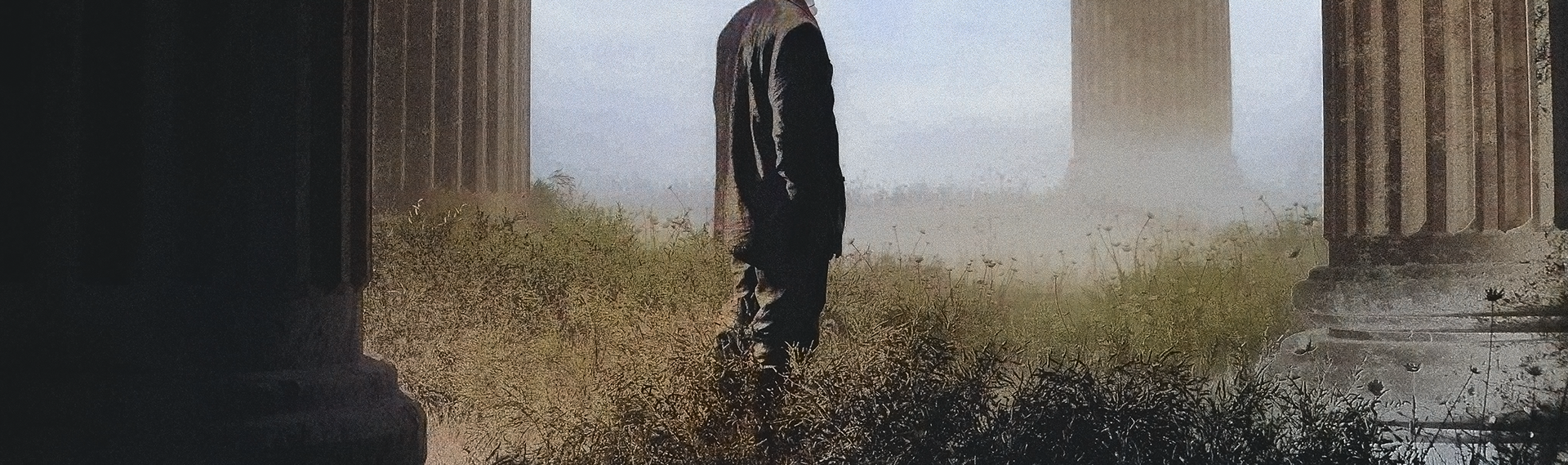
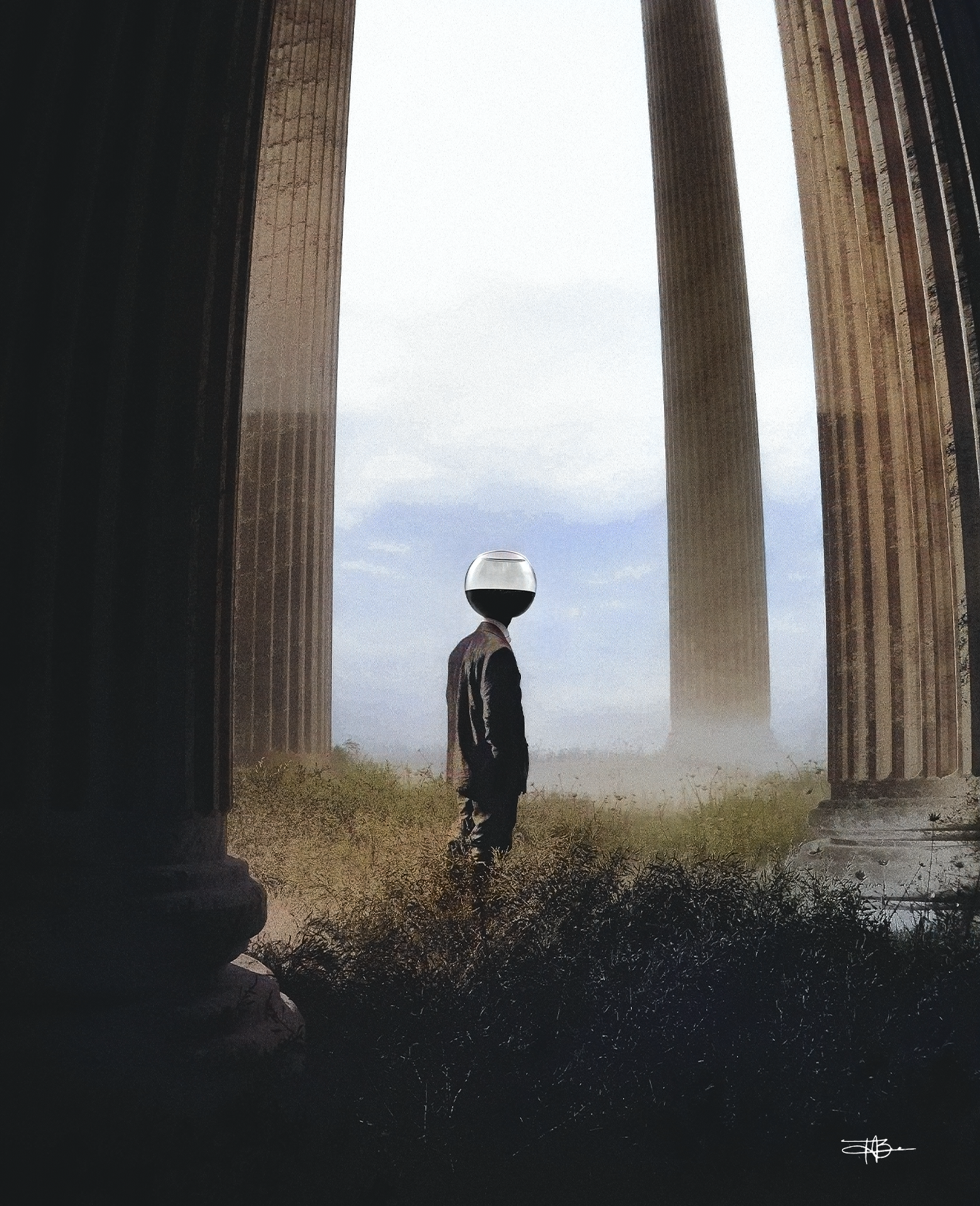
In this scene, a man stands still between ancient pillars.
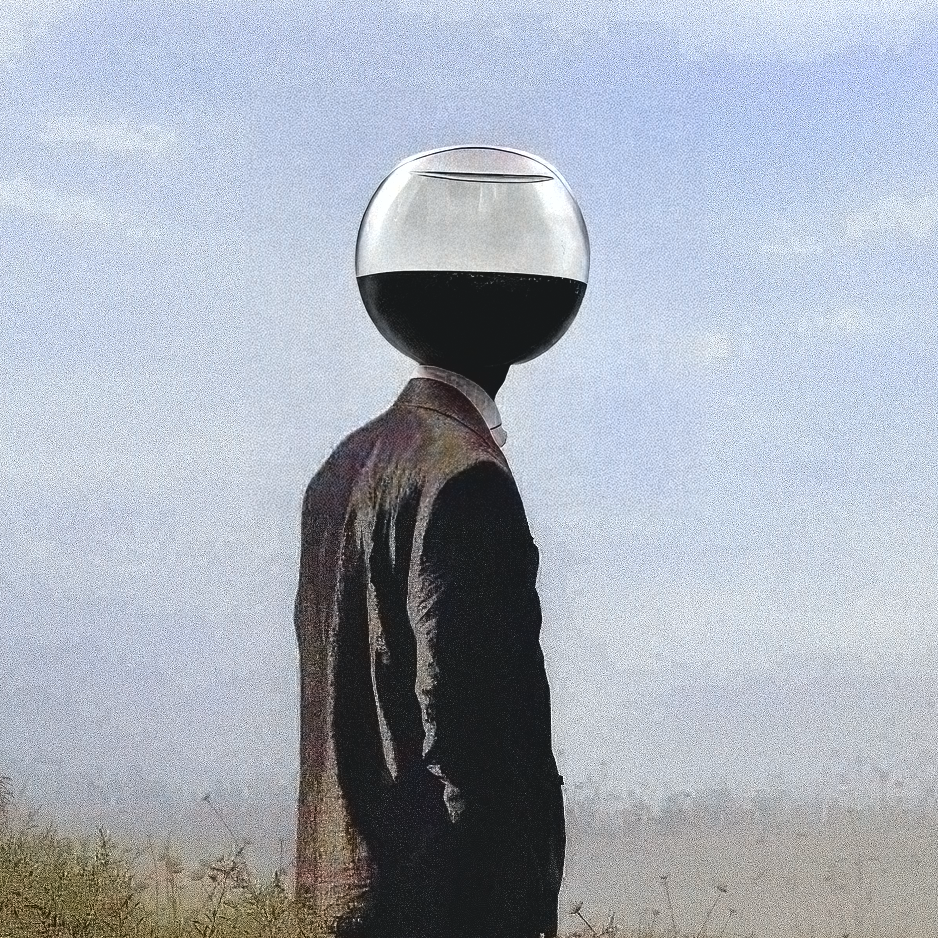
His face has disappeared. In its place, a glass vessel filled with something dark and unknowable.
His face has disappeared. In its place, a glass vessel filled with something dark and unknowable.
Is it water? Is it thought? Is it all that remains of who he once was?
The scene is quiet. Timeless.
Nothing moves, and yet everything feels suspended.
It’s not a place — it’s a mental state. A moment that never ends.
Nothing moves, and yet everything feels suspended.
It’s not a place — it’s a mental state. A moment that never ends.
I created this illustration to reflect the weight of internal silence.
A visual metaphor for what we carry inside when words are no longer enough.
A visual metaphor for what we carry inside when words are no longer enough.
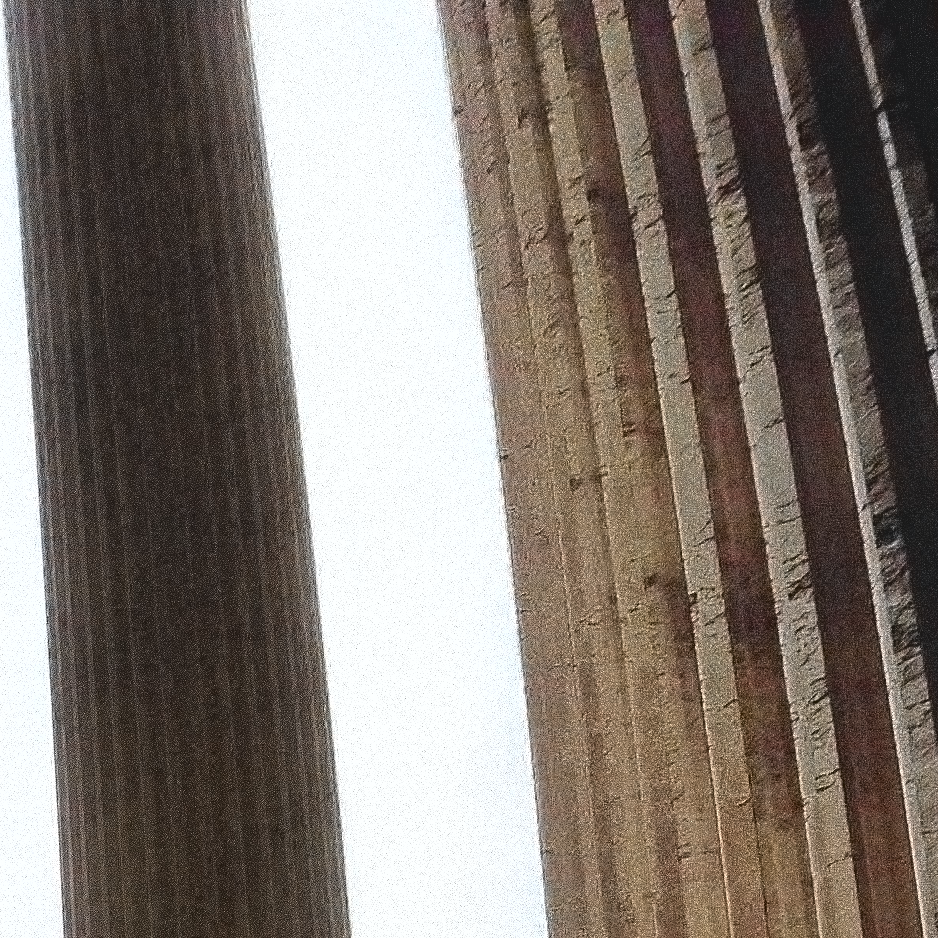
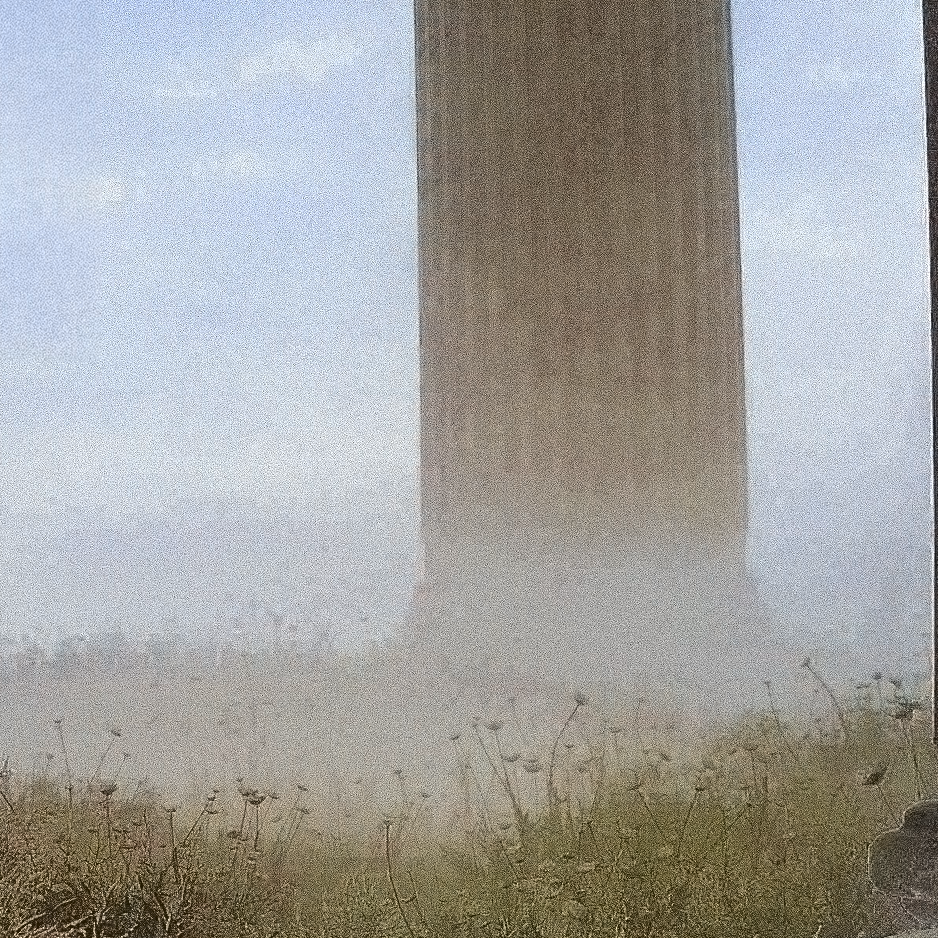
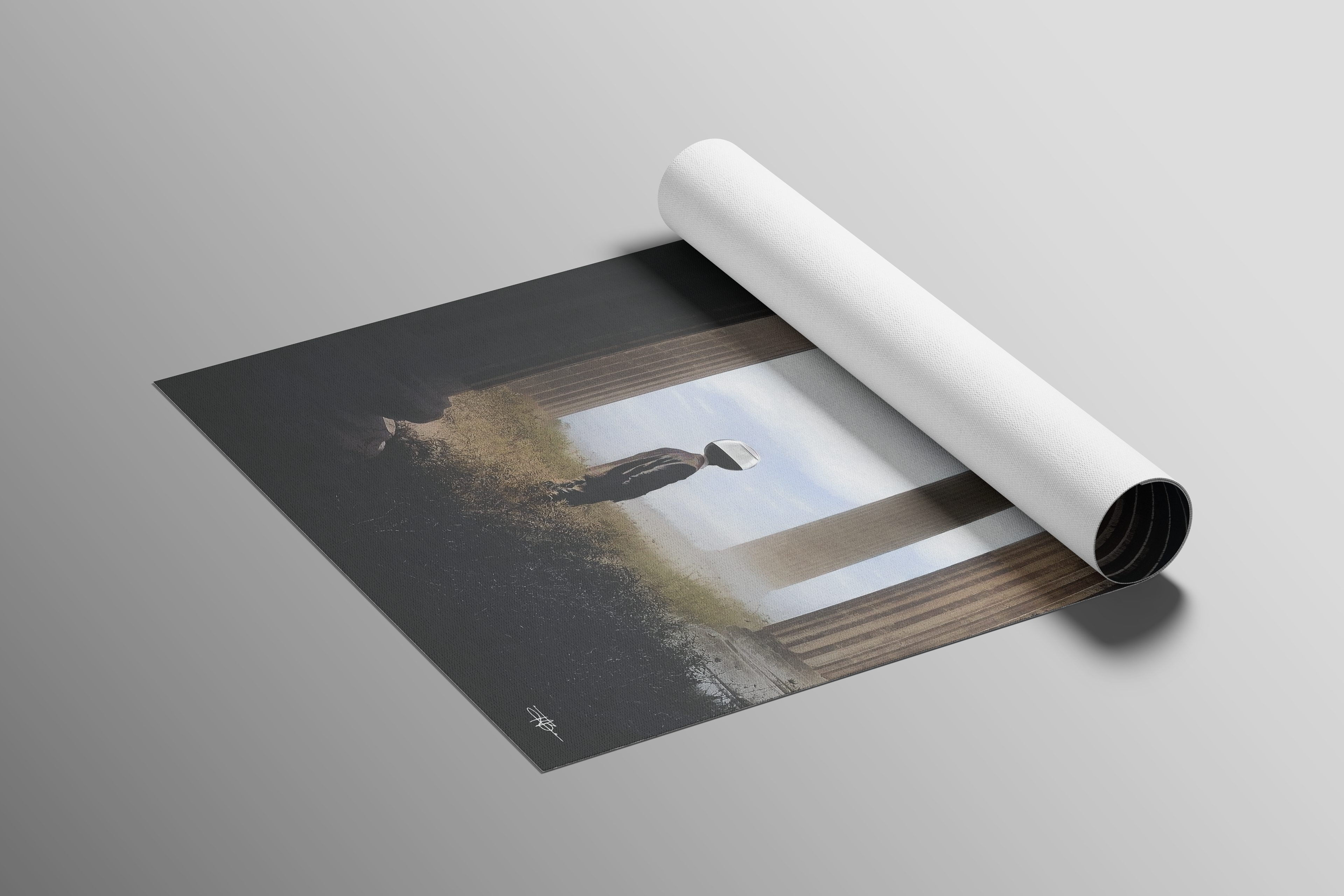
A lone figure stands still, framed by two monumental stone
pillars that stretch beyond the sky.
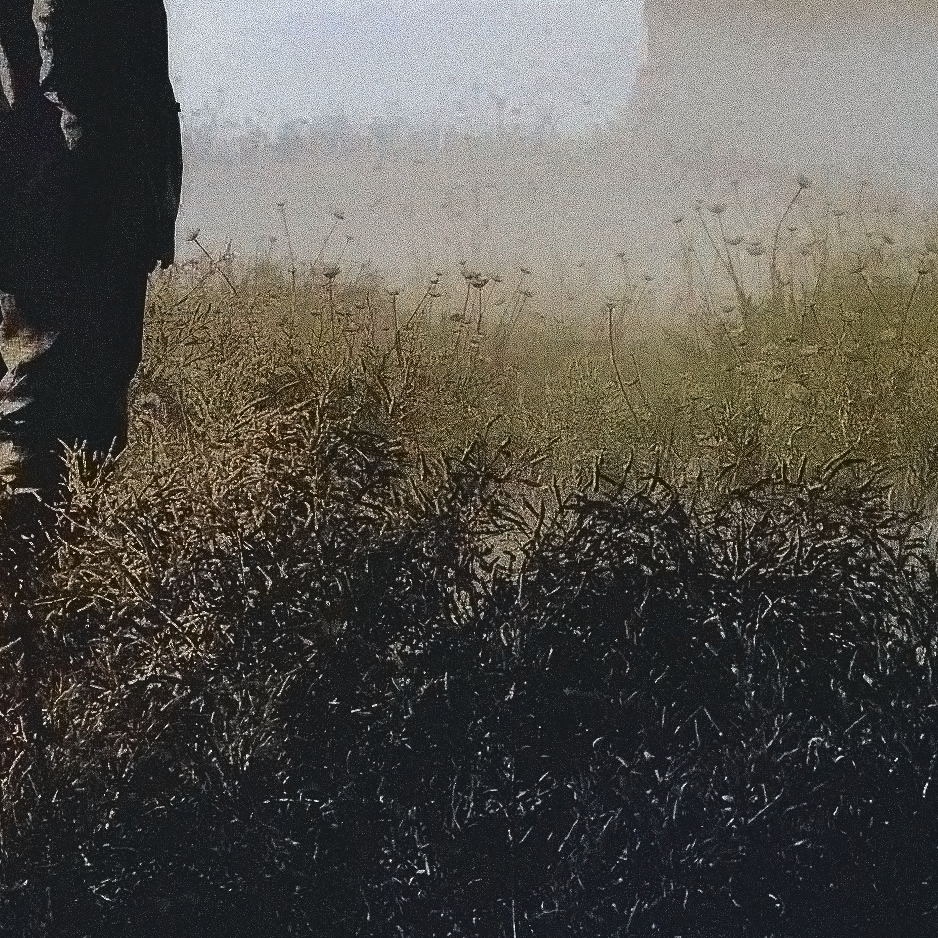
He wears dark clothing — ordinary, timeless — and faces away from the viewer, his body swallowed by the dry grass beneath him.
Where a face should be, there is none.
In its place: a transparent glass jar, filled with a dark, murky liquid.
In its place: a transparent glass jar, filled with a dark, murky liquid.
The air is quiet.
A pale sky hangs above, fading into mist near the horizon.
A pale sky hangs above, fading into mist near the horizon.
No landmarks. No motion. Just the overwhelming scale of silence.
The scene feels ancient and surreal — as if plucked from a forgotten dream or a memory that never happened.
The image doesn’t answer anything.
It waits.
It waits.
Conclusion
Creating The Vessel was a deeply enriching experience that allowed me to explore both technical tools and emotional expression through a single visual composition. Every aspect of the process — from planning and sketching to Photoshop and image manipulation — played a crucial role in shaping this surreal, symbolic scene. While I had prior knowledge of the software, this project pushed me to go further, refining my skills and using visual tools as a language for silence.
One of the most important lessons I take from this process is the value of intentional composition — not only in form, but in meaning. This project challenged how I approach storytelling: not with words, but with presence, space, rhythm, and atmosphere. I discovered how essential it is to slow down, organize my ideas, and trust in suggestion
rather than explanation.
What made this work so captivating was the solitude it required. Unlike a shared classroom exercise, this was a personal journey — one where every decision carried weight. The isolation of the figure in the image mirrored the focused solitude of creation. And yet, this very silence opened the space for deeper understanding, reflection, and poetic nuance.
I was particularly fascinated by how much could be said with so little. A single character, a jar, and two pillars — yet the impact is profound. This approach expanded my view of visual communication, where metaphors and emotion can resonate without the need for literal meaning.
In the end, this project was not just about developing technical skills, but about learning to trust my creative instinct. The Vessel became a reflection of my inner world — a silent thought suspended in time. I'm grateful for this opportunity, and proud of what it allowed me to discover, both visually and personally.